Hedge Trimming in Maida Vale

Hedge Trimming Maida Vale provides a focused hedge trimming service in Maida Vale for gardens that need neat shaping, seasonal control and consistent growth management. Our work is centred on keeping hedges tidy, even and healthy, whether they are formal boundary lines, softer mixed planting or taller screening that has started to lose its shape. We trim with the aim of improving definition while respecting the plant’s natural growth habit, so the finish looks deliberate rather than forced.
Well-kept hedges do more than look neat. They can help define boundaries, soften hard edges and keep planting under control where stems have become dense or uneven. We offer trimming that pays attention to thickness, height and the existing form of the hedge, because different shrubs respond in different ways. Careful cutting matters if the hedge is to recover well and keep its density over time, especially where older growth has started to dominate the outer line.
For many customers, the main decision is how much reduction is sensible at the current growth stage. We can work with hedges that only need a light tidy, as well as those that need a clearer re-establishing of shape after a longer gap between cuts. If you need to restore a hedge’s outline or simply keep it under control, our service is designed to give you a clear result without unnecessary disruption. Request a quotation when you are ready to discuss the work.
Seasonal trimming and shaped finishes
Different hedges call for different approaches, and the timing of the cut can matter as much as the cut itself. Some hedges benefit from regular light trims that preserve a crisp outline; others need more measured reduction so the work does not remove too much of the current growth in one visit. We trim with attention to the hedge’s condition, aiming for a finish that supports its structure and keeps it visually balanced from end to end.
In practical terms, trimming can involve levelling the top, evening out the sides or reducing over-extended sections that have begun to lean out of line. A hedge that has grown wider at the base, or thinner near the top, often needs a more thoughtful approach than a quick pass with shears. We take account of the hedge’s density and the placement of new growth so the result is neat and proportionate. If you are comparing options, a regular schedule usually keeps maintenance simpler than leaving long gaps between cuts.
Some properties in Maida Vale have front boundaries where appearance matters just as much as coverage, while others have enclosed rear gardens where privacy is the priority. In both cases, the trimming approach should suit the hedge’s role. A formal hedge may need sharper lines and a more exact finish, whereas a looser hedge may look best when its natural profile is refined rather than heavily squared off. Our work is shaped around those practical differences rather than a one-size-fits-all cut.
How we handle hedge trimming work

Before trimming begins, it helps to look at the hedge as a whole: where the growth is thickest, which sections are longest and whether there are any areas that should be left lighter. That assessment guides the cut and avoids overworking healthy material. When a hedge is well established, small adjustments can make a meaningful difference to the final line, so accuracy matters as much as speed. We aim to keep the process orderly and the result straightforward to maintain.
If the hedge includes mixed growth or has been allowed to vary in height, the first priority is usually to bring the main line back into a coherent shape. After that, finer shaping can refine the finish. A hedge that is trimmed with care tends to hold its form more cleanly between visits, which is useful where owners want a dependable boundary or a strong visual edge. For that reason, we focus on proportion, not just removal.
Typical hedge trimming considerations include:
- the hedge’s current height and width
- how dense the outer growth has become
- whether the sides need balancing before the top is levelled
- how much current season’s growth should remain
- whether the hedge is mainly decorative, protective or screening
Hedges that need more than a tidy-up
Some hedges need more than a light seasonal trim. Where growth has drifted well beyond the intended line, the work may require reduction in stages so the hedge can be brought back under control without stripping it bare. This is particularly relevant where branches have grown long and thick, and the visible outer surface no longer reflects the hedge’s internal structure. A staged approach can be more sensible than an immediate heavy cut.
In these situations, it is useful to think about the hedge’s future shape as well as its current size. A hedge that is cut back too aggressively may leave gaps or uneven patches, especially if the growth is older and less flexible. We therefore aim for a careful reduction that improves manageability while preserving a healthy framework. That balance matters if the hedge is to recover steadily rather than looking thin after the work.
Good hedge management is often about consistency. When trimming is carried out before the hedge becomes severely overgrown, the work tends to stay simpler and the finish easier to maintain. Even so, neglected hedges can usually still be improved with patient shaping and sensible reduction. If you are unsure how much work your hedge needs, a clear description of its present condition is the best starting point for a quotation.
Practical planning for your garden hedge

Planning helps the work go smoothly, particularly where access is limited or where the hedge forms part of a front garden or side return. A little preparation can make the visit more efficient: it is useful to know which hedge or hedges need attention, how long they have been left, and whether there are any obstacles close to the line of cut. That information helps us understand the scope without overcomplicating the process.
The most useful details are usually simple. A clear description of the hedge type, the approximate length and the outcome you want can be enough to begin the discussion. If there are sections you want kept higher for screening, or areas that need more severe reduction, it is best to say so early. That avoids confusion and allows the trimming plan to reflect the garden’s layout and the hedge’s role within it.
Useful points to have ready when requesting a quotation:
- the hedge’s location within the garden
- whether you want a light tidy or a fuller reduction
- the approximate length and height of the hedge
- any awkward access or close boundaries
- any sections that need special attention
Other garden services alongside hedge trimming
Although hedge trimming is our main service here, some gardens benefit from related maintenance to keep the overall space orderly. Where appropriate, that can include supporting work that helps manage surrounding planting and keeps the garden looking coherent after the hedge has been cut. We do not treat every garden the same way; instead, we look at how the hedge sits alongside the rest of the planting and what level of follow-up care is sensible for the space.
When a hedge is part of a larger garden scheme, its finish can influence the appearance of nearby borders, lawns and paths. Keeping the hedge cleanly cut makes the rest of the space feel more settled, and it can also make future maintenance simpler. In practical terms, a trimmed hedge may improve light, access and the visual edge between planted areas. That is one reason many customers choose to keep hedge work connected to wider routine care rather than letting each part of the garden drift separately.
If the hedge is one element in a broader outdoor plan, we can discuss how the work fits with other garden tasks at a sensible level of detail. The key point is that hedge trimming should support the garden as it is used, not just the hedge in isolation. See garden maintenance options if you want to understand how routine care can be combined.
About Maida Vale
Maida Vale is a residential district in west London, closely associated with tree-lined streets, mansion blocks and canal-side routes. The area takes its name from the pub and coaching inn that once stood near what is now the intersection of several roads, and over time it developed into a largely Victorian and Edwardian neighbourhood. Much of its character comes from the combination of wide avenues, elegant stucco-fronted terraces and later apartment buildings, giving it a layered streetscape rather than a single architectural style. The district sits between Paddington to the east and Kilburn to the west, with Little Venice often used to describe the canal network and waterside setting nearby. Regent’s Canal is one of the defining physical features of the wider area, linking the neighbourhood to a slower, more linear part of north-west London where towpaths, bridges and moored boats create a distinctive urban landscape. The canal surroundings contrast with the formality of the residential streets, and that contrast is part of what gives the district its identity. Maida Vale is also known for its cultural associations, including the historic BBC Maida Vale Studios, which have featured in British broadcasting and music history for many decades. Nearby Paddington Recreation Ground and other local green spaces contribute open relief within a heavily built-up part of the city. The streets around the district include examples of late nineteenth- and early twentieth-century London development, with mansion blocks and mansion-style apartments standing alongside smaller houses and mews conversions. The area’s transport connections and central-west London position have long made it a desirable residential location, but its appeal also lies in the balance between urban density and quieter, more established streets. That combination of canal, architecture and neighbourhood scale gives Maida Vale a character that feels both distinctive and recognisably part of inner London.
Finishing edges, height and boundary lines

A hedge is often doing several jobs at once, so the final cut needs to match the job it is meant to do. A boundary hedge may need height control without losing privacy, while a decorative hedge may need a sharper outline for visual effect. We trim with those uses in mind, because the finish should look intentional in relation to the property rather than reduced to a generic shape. The best result is usually the one that suits the hedge’s purpose most clearly.
Height and width both matter. A hedge can appear tidy in isolation yet still feel awkward if the top is too broad, the base too narrow or the sides sit at different angles. The aim is to create a line that reads cleanly from the garden and from outside the boundary. That may mean minor adjustments in several passes rather than a single heavy reduction, especially where the hedge has grown in an uneven pattern over time.
When discussing the work, it is helpful to think in terms of the result you want rather than just the plant type. If you need a crisp front edge, a manageable rear boundary or a softer shape that sits naturally in planting, say so in plain terms. We can then shape the trimming around the desired finish and the hedge’s current condition, rather than relying on assumptions about what the garden needs.
What affects the quotation
Quotation details are usually influenced by straightforward factors: hedge size, length, density, access and the amount of reduction needed. A long, thick hedge generally takes more work than a short one with light seasonal growth, and an awkwardly positioned hedge may take longer to reach and finish neatly. Because of that, it is better to describe the hedge accurately than to guess at a price from appearance alone. Clear information leads to a more useful quotation.
If a hedge has been left for longer than usual, the extra work is not only about cutting time. A more overgrown hedge can require additional shaping to bring the line back under control, especially where the outer surface has become irregular. That difference is one reason quotations are best based on the actual hedge rather than a general category. For the same reason, details about whether you want a tidy-up or a more substantial reduction matter to the final scope.
We keep the discussion practical: what needs trimming, what shape you want and how the hedge currently behaves in the garden. If you are ready to move forward, the simplest next step is to contact us for a quotation. For background on how our wider work is presented, you can also read the services overview.
Hedge care, regular maintenance and final details

Regular hedge trimming is usually easier to manage than sporadic heavy cutting, because the hedge remains closer to the intended shape and does not need as much corrective work. That said, the right cycle depends on the plant and the look you want to preserve. Some hedges stay neat with periodic attention, while others need a more selective approach to avoid overcutting. The important point is consistency in method, not simply frequency for its own sake.
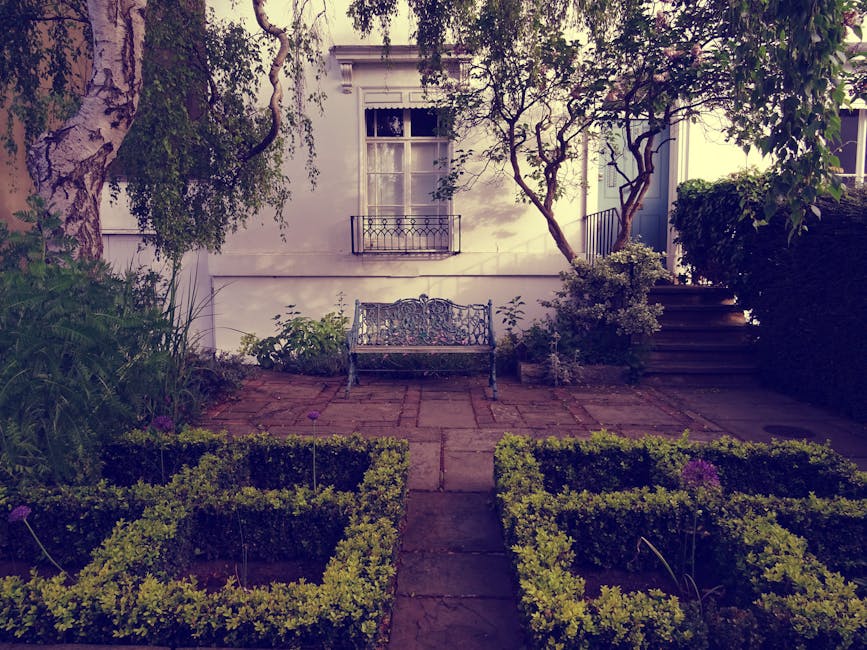
Where a hedge is part of a carefully kept garden, the finish can influence how the whole space feels. Straight lines can give structure, while softer shaping can help a garden feel more relaxed and established. The trimming itself should therefore be chosen to match the garden’s character, not just to remove growth. If you would like to compare practical options before arranging the work, use the page that suits your next step and ask for a quotation in the way that is most convenient.
You can also review our garden clearance page if the hedge work is part of a larger tidy-up, or look at garden maintenance for routine support alongside trimming. When you are ready, contact us and we will help you plan the hedge work in Maida Vale with a clear, sensible scope.